
Feeding the Newborn Calf

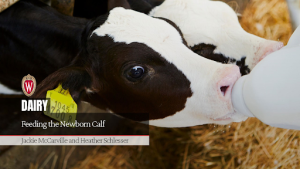
Timely ingestion of high-quality colostrum transfers critical immunoglobulins to newborn calves, protecting them during the early immune development phase. Absorption efficiency rapidly declines after four hours of life, with all absorption ending by 24 hours. High bacterial contamination in equipment or udders blocks immunoglobulin uptake and introduces infectious agents to the calf. Establishing strict colostrum […]


Field Notes: Strip Tillage

One from the archives! No digg-it-y. No doubt? On this episode of Field Notes we dig into the question: to till, or not to till, or somewhere in between? Strip tillage is not as common in Wisconsin as full width tillage or no till, but it presents an opportunity to reduce soil disturbance and improve […]

Ready to Move Your Farm Records from a Shoebox to a Strategy?

We know that every farm operation has a list of “someday” tasks. Often, organizing essential documents and financial records sits right at the top of that list. Whether preparing for an emergency or long-term transition planning, having your vital records in order is one of the best gifts you can give your family and your […]

Secure Your Farm’s Legacy: UW-Madison Extension Announces “Cultivating Your Farm’s Future” Workshop Series

The University of Wisconsin-Madison Division of Extension is inviting farm families and farm business owners to participate in Cultivating Your Farm’s Future, an interactive virtual program designed to kickstart the vital process of farm succession planning.  Succession planning is more than just paperwork; it is about answering the critical questions that define a farm’s survival […]

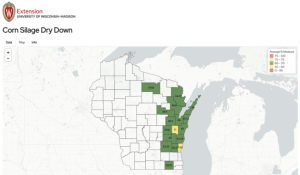
Corn Silage Dry Down Monitoring Tool

During this time of harvest it is important to do it at the correct whole plant moisture, and the first step is to make high quality silage, and we have only one opportunity to do it correctly each season. We understand how important this is. To support you during this time we invite you to […]

Registration is Open: Wisconsin Water and Soil Health Conference

Registration is open for the WWASH Conference! Hosted by UW–Madison Extension, it includes two full days of keynotes, breakout sessions, and roundtables, as well as lunch each day. Join farmers, consultants, Extension, and agency staff for two days of real data, on-farm research, and conversations around soil health and water quality. 🚜 Discover actionable strategies […]

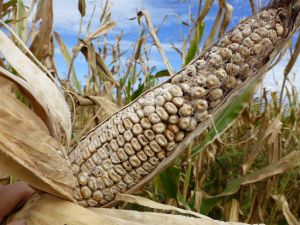
Scout for Ear Rots to Reduce Mycotxoins in Silage

Scouting is similar for all corn ear rots. Starting at late dent stage (R5), choose 20 ears from five areas in the field. Pull back the husk to see the entire ear. It’s critical to identify ear rots in the field as many ear rot fungi produce mycotoxins, which can harm livestock and humans. Contaminated […]

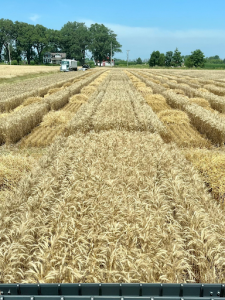
2026 Winter Wheat Variety Trial Results

Wisconsin winter wheat acreage declined in 2025–2026, with 245,000 acres planted—an 18% decrease from the previous year. Of these, 210,000 acres are forecasted to be harvested, down 17% from 2025. The 2026 yield forecast is 76 bu/a, matching 2025 and landing just below the five‑year average of 77 bu/a. View full results

Southern Rust Returns to Wisconsin

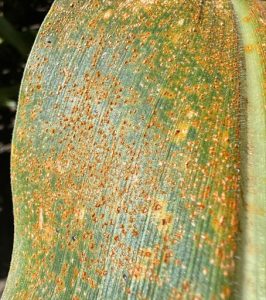
Now that southern rust has been found in Wisconsin, it’s important not to panic. Instead, focus on careful scouting over the next several weeks. Timely scouting will help guide both silage and grain harvest decisions. Yield losses are most likely when southern rust becomes established before the milk (R3) growth stage. Farmers should be out […]

Strategies to Reduce Methane Emissions on Dairy Farms [Video]

This presentation introduces the main mitigation approaches, with attention to their effectiveness, tradeoffs, and relative costs within whole-farm systems. Anaerobic manure storage is the dominant source of methane emissions in manure management systems. Emissions can be reduced through a combination of technological and management strategies, including anaerobic digestion, solids separation, manure acidification, and more frequent […]