

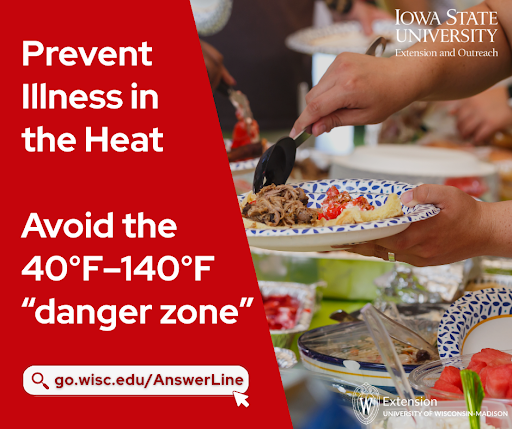
Outdoor meals are fun, but food safety is critical. Cold foods should stay at or below 40°F, and hot foods at 140°F or above. Food left out for more than two hours (or one hour in temperatures above 90°F) should be discarded.
When transporting food in summer heat, coolers play a major role in safety. Pack food items in shallow, leakproof containers and surround them with ice or frozen gel packs. Keep coolers shaded and closed to maintain safe temperatures (below 40°).
Safe grilling requires more than heat. Use a food thermometer to ensure meats reach their proper internal temperatures: 160°F for ground beef and 165°F for poultry. Avoid placing cooked food on plates that have held raw meat.
Summer often brings increased activity and higher heat. Drink water regularly and check private wells at least once a year for bacteria and nitrates.
Farmers markets offer a wide variety of fresh foods. To reduce spoilage, refrigerate berries and greens right away, store tomatoes at room temperature, and keep cut produce chilled.
Warm temperatures increase the risk of foodborne illness. Refrigerate foods promptly, pack perishables with ice, and avoid leaving items out too long. To learn more about safe food handling in hot weather, contact AnswerLine: go.wisc.edu/answerline or 1-866-540-4636.