

Agriculture

With over 59,000 dairy cows in Fond du Lac county, ensuring high-quality forage production is critical to sustaining milk production and farm profitability. Helping growers meet forage quality goals for their farm means lower outside feed costs, healthier cows and improved sustainability of that farm. Furthermore, given the key role Spanish-speaking workers play, providing bilingual information is essential. Through training, newsletters, webinars, workshops, and other resources, Extension’s Agriculture team ensures that feasible, science-based practices are accessible to farmers, managers and workers. This approach helps improve communication, increase efficiency, and enhance the overall performance of local dairy operations.
Dairy I Manuel Peña, Regional Dairy Educator
As another Agriculture Educator in my area has already built a strong connection with farmers through regular radio updates, I have been invited to contribute a dairy-focused segment as part of the daily Farm Report. This provides a valuable opportunity to engage an established agricultural audience and expand Extension’s outreach within the dairy community. Through this segment, it is possible to share research-based, science information relevant to dairy producers, along with timely updates on educational events, resources, and tools that can support informed decision-making and strengthen farm viability. Agricultural producers use a variety of sources to obtain information, including radio. Each Thursday morning, I provide a UW–Extension dairy segment as part of the daily Farm Report. This segment focuses specifically on timely dairy production topics, herd management strategies, seasonal nutrition and health considerations, and updates on upcoming events, webinars, and educational opportunities relevant to dairy operations. Delivering this information through public media allows us to reach producers who may be underserved, unable to attend in-person programs, or unaware of Extension’s agricultural resources. This expanded outreach strengthens our connection with the dairy community and helps ensure that research-based information is accessible, practical, and timely. Additionally, the segment provides dairy producers with greater insight into the work being done through Extension and creates consistent opportunities for them to engage in programs that support informed decision-making, farm profitability, environmental stewardship, and long-term business sustainability.
Community Development
UW Extension Fond du Lac County Community Development provides educational programming through capacity-building workshops such as Fund Development and Fundraising, facilitates community conversations that spark collaboration and action on emerging needs, and supports organizational leaders with 1:1 coaching, professional development, and connections to resources.
Andy Wilson, Community Development Educator
Local organizations and decision-makers need a clearer, shared picture of existing community resources, geographic service access, and areas of unmet need. Information about services, community assets, and demographic indicators often exists in separate places, making it difficult to see where resources are concentrated, where gaps may exist, and where coordination could be strengthened. This effort was developed to support more data-informed planning around community needs such as food access, housing pressure, transportation, aging services, youth and family supports, and economic opportunity. In response, I began developing a community asset mapping and gap analysis process that brings local resource information together with community need indicators. This work included building and organizing a database of community organizations, mapping service locations, categorizing resources by service type and focus area, and testing ways to compare mapped assets with census-based indicators of need. I also began developing reports and visual tools that can help local partners identify patterns, discuss gaps, and use shared information in future planning conversations.This development work has created an early foundation for a more coordinated, data-informed approach to community planning. The effort is beginning to make local resources and potential service gaps easier to see, which can help partners move from anecdotal understanding toward shared analysis and more focused discussion. Over time, this work is intended to support better coordination, reduce duplication, identify underserved areas, and help local decision-makers and service providers prioritize efforts that improve access to resources across the broader community.
Fond du Lac County organizations are working to address complex community issues such as housing instability, food access, transportation barriers, poverty, workforce challenges, disability inclusion, and service coordination. These issues are interconnected and often cannot be solved by a single organization, program, or short-term response. While early asset mapping and gap analysis work has helped identify areas where services may be limited or where additional discussion is needed, a broader process is needed to better understand why these challenges persist and how local partners might address them collaboratively. This ongoing process is focused on identifying practical methods that could be used with community partners, coalitions, service providers, and local stakeholders. Areas of focus include facilitated community conversations, systems mapping, stakeholder engagement, data-informed discussion, equity-centered analysis, problem framing, and methods for distinguishing symptoms from underlying causes. The goal is to develop a method that can help partners ask better questions, validate assumptions, identify shared priorities, and move toward more strategic community planning. The intended outcome of this process is to build a strong foundation for a future community-wide root cause analysis method. By reviewing best practices before convening broader discussions, Extension can help ensure that future conversations are structured, useful, inclusive, and grounded in both local experience and evidence-informed learning. Over time, this work is expected to support stronger cross-sector collaboration, clearer understanding of complex local issues, and more strategic planning around challenges that affect residents across the county.
Human Development and Relationships

UW Extension Fond du Lac County Extension Human Development & Relationships provides programs that promote housing stability, support youth, and strengthen families. The Rent Smart program helps families gain the knowledge and skills needed to secure and maintain housing, while Adulting 101: Keys to Independence prepares older youth aging out of foster care with life skills in finance, careers, and communication. The program also offers Co-Parenting Education to improve communication between co-parents, address the impact of divorce on children, and build strategies for resilience. In addition, Extension supports helping professionals by providing financial education, professional development, and connections to financial resources.
Carol Bralich, Human Development and Relationships Educator
Rent Smart is a six‑module Extension education program that equips renters with practical skills to find, obtain, and maintain safe and affordable housing. Participants learn how to determine what they can realistically afford, apply for rental housing, understand renter and landlord responsibilities, communicate effectively with landlords, and manage housing expenses. The program is especially valuable for individuals who are new to renting or who have negative rental histories, increasing their housing stability while decreasing reliance on public support systems.
The need for Rent Smart is clear. The average American tenant is cost‑burdened, paying 30% or more of their income toward rent. In Wisconsin, 65% of renters spend more than 30% of their income on housing, and 37% spend more than half of their monthly income—particularly those earning under $50,000 per year. At the same time, the hourly wage needed to afford a modest two‑bedroom rental in Wisconsin ($18.56) far exceeds the state minimum wage of $7.25. Combined with a statewide housing shortage, these conditions make it increasingly difficult for communities like Fond du Lac County to attract and retain a stable workforce.
Rent Smart has been strengthened through intentional community partnerships. In collaboration with St. Katharine Drexel Shelter, Bralich provided Rent Smart for shelter residents, aligning directly with their current or future financial and housing needs. Since January 2026, twenty four shelter residents completed the full six‑session course and received certificates. In addition, certificates were also earned by 15 Beacon House residents and 12 Arc Community Services clients in March and June held at the Fond du Lac Public Library.
Program outcomes demonstrate strong impact. Among January – June 2026 survey respondents, 95% reported that Rent Smart will or might help them keep housing in the future. One participant shared that moving forward they plan to “Use better communication and thoroughly read agreements before they sign.” By supporting responsible tenants and sustainable housing stability, Rent Smart contributes to stronger families, a more reliable workforce, and healthier communities across Fond du Lac County.
Positive Youth Development

UW Extension Fond du Lac County youth grow into engaged, empathetic leaders through hands-on learning and meaningful service. Our 4-H program offers enriching experiences—from STEM challenges and animal science to creative arts—that spark curiosity and build confidence. Signature events like Family Learning Day and Summer Day Camps provide opportunities for exploration and skill-building, while service projects such as food drives and care kit assembly foster civic responsibility and community connection. In partnership with local schools and the Boys & Girls Club, we also offer after-school clubs that create inclusive spaces for growth and belonging.
Tracy Keifenheim, 4-H Program Educator
Twenty-one Fond du Lac County 4-H Cloverbud members participated in the 2026 “Superheroes in the Community” Day Camp, an educational program designed to help young people learn about community service, public safety, and the character traits that make individuals positive role models. Through hands-on activities, interactive presentations, and creative projects, youth explored the many ways people contribute to making their communities stronger and safer.
The day began with icebreakers that encouraged participants to share their favorite superheroes and discuss future career interests. Youth then created personalized superhero capes and masks, identifying qualities such as kindness, courage, responsibility, and helpfulness that they believe define a hero. Throughout the day, campers participated in games and activities that introduced them to a variety of community helper careers, including firefighters, emergency medical personnel, veterinarians, farmers, bus drivers, and park rangers.
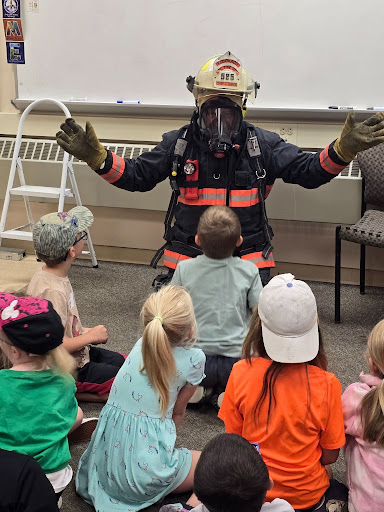
A highlight of the camp was a visit from local firefighter Jerry with the Eldorado Fire Department, who shared information about fire safety, emergency response, and the importance of serving others. Youth had the opportunity to ask questions and gain a firsthand understanding of the role firefighters play in protecting the community. In the afternoon, campers participated in a superhero training course that challenged them to use teamwork, problem-solving, communication, and physical activity to complete a series of rescue-themed challenges.
Another memorable experience was a presentation from Officer Burr and K-9 Gambo. Youth learned about the important role police K-9 teams play in public safety and observed a demonstration of Gambo’s specialized training. Campers were highly engaged and asked numerous questions about the dog’s daily responsibilities and the training process required for successful police work.
The day concluded with participants creating superhero profiles and reflecting on the personal qualities they can demonstrate in their own homes, schools, and communities. As a result of this experience, youth gained a greater appreciation for local community helpers while developing important life skills such as teamwork, confidence, communication, and responsible citizenship.
The Superheroes in the Community Day Camp provided a fun and meaningful learning experience that connected youth with local service professionals, strengthened community awareness, and reinforced the message that anyone can be a hero through acts of kindness, responsibility, and service to others. Fond du Lac County 4-H appreciates the support of the guest speakers, volunteers, and families who helped make this educational opportunity possible.
The University of Wisconsin–Madison Division of Extension provides equal opportunities in employment and programming in compliance with state and federal law.