

Fatherhood Programs: The Benefits for Families

Looking to build a stronger bond with your child? Our Extension fatherhood programs are based on research we conducted in Wisconsin with fathers across the state. Our fatherhood programs provide research-based parenting strategies and opportunities to connect with other parents. Whether you’re looking to strengthen your relationship with your child, build parenting confidence, or connect […]
Scout for Ear Rots to Reduce Mycotxoins in Silage

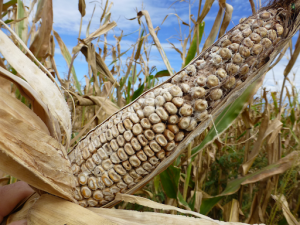
Scouting is similar for all corn ear rots. Starting at late dent stage (R5), choose 20 ears from five areas in the field. Pull back the husk to see the entire ear. It’s critical to identify ear rots in the field as many ear rot fungi produce mycotoxins, which can harm livestock and humans. Contaminated […]

2026 Winter Wheat Variety Trial Results

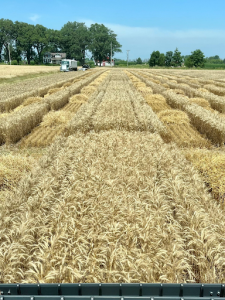
Wisconsin winter wheat acreage declined in 2025–2026, with 245,000 acres planted—an 18% decrease from the previous year. Of these, 210,000 acres are forecasted to be harvested, down 17% from 2025. The 2026 yield forecast is 76 bu/a, matching 2025 and landing just below the five‑year average of 77 bu/a. View full results

Southern Rust Returns to Wisconsin

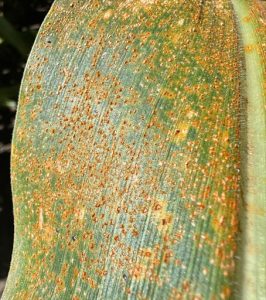
Now that southern rust has been found in Wisconsin, it’s important not to panic. Instead, focus on careful scouting over the next several weeks. Timely scouting will help guide both silage and grain harvest decisions. Yield losses are most likely when southern rust becomes established before the milk (R3) growth stage. Farmers should be out […]

Strategies to Reduce Methane Emissions on Dairy Farms [Video]

This presentation introduces the main mitigation approaches, with attention to their effectiveness, tradeoffs, and relative costs within whole-farm systems. Anaerobic manure storage is the dominant source of methane emissions in manure management systems. Emissions can be reduced through a combination of technological and management strategies, including anaerobic digestion, solids separation, manure acidification, and more frequent […]

Cloverbud Day Camp: Superheroes in the Community

Fond du Lac County 4-H recently hosted its Cloverbud Day Camp, Superheroes in the Community, providing young members with a fun and engaging opportunity to learn about the people who help make our communities safe, healthy, and successful. Throughout the day, youth explored what it means to be a real-life superhero through hands-on activities, games, […]

A closed gate stops escapes. Biosecurity stops disease.

UW–Madison Extension Educators invite you to participate in a short survey. We are conducting research to better understand what dairy and livestock producers currently know about biosecurity, as well as how and what they would like to learn moving forward. The survey will take approximately 15 minutes to complete. Your responses will remain anonymous, and […]

Using Disease Forecasting Tools to Make Better In-Season Management Decisions and Tar Spot Found in WI

As we move deeper into the growing season, fungicide application decisions become one of the biggest sources of stress for farmers across the Midwest. Between aggressive marketing, endless online opinions, and an expanding list of fungicide products, determining whether, and when, to spray can feel overwhelming. Fortunately, advances in plant pathology and epidemiology have led […]

Nuts and Bolts of Dairy Ventilation [Video]

It is getting hotter and hotter here in Fond du Lac County and cows feel it too. For that reason, we are talking about ventilation in dairies. Dairy ventilation systems require optimized fan selection and design efficiency to combat severe heat stress and minimize hidden costs. Proper mechanical ventilation controls airflow, removes heat and moisture, […]

Why Do Dairy Cows Need Fat? A Guide to Using Fats in Cattle Diets

Dietary lipids provide high-density energy to dairy cows, primarily boosting milk production and reproductive performance. Microbes in the rumen tend to turn unsaturated fatty acids into saturated fatty acids through a process called biohydrogenation. Later, the fatty acids go to the small intestine for absorption. Managing this fat intake within specific thresholds prevents negative rumen […]