

Agriculture

With over 59,000 dairy cows in Fond du Lac county, ensuring high-quality forage production is critical to sustaining milk production and farm profitability. Helping growers meet forage quality goals for their farm means lower outside feed costs, healthier cows and improved sustainability of that farm. Furthermore, given the key role Spanish-speaking workers play, providing bilingual information is essential. Through training, newsletters, webinars, workshops, and other resources, Extension’s Agriculture team ensures that feasible, science-based practices are accessible to farmers, managers and workers. This approach helps improve communication, increase efficiency, and enhance the overall performance of local dairy operations.
Dairy I Manuel Peña, Regional Dairy Educator
A train the trainer safety toolbox program for farm operations, safety consultants, educators, and instructors where they find materials to lead or support agricultural safety training by following an interactive guide and adult-learning principles to encourage participation, ownership, and responsibility, while encouraging a Safety Culture.
- This program was developed in response to feedback from dairy producers who expressed a need for practical, on-farm training to reduce injuries and accidents and maximize animal performance. In response, we designed this effort to deliver targeted, farm-based education focused on real-world scenarios and immediate application, with the goal of improving worker safety, animal welfare and profitability. The bilingual Forward Farm Safety Toolbox is based on solid research and is designed to help agricultural operations create a strong safety culture. This foundation supports long‑lasting behavior changes and ongoing leadership support for safety. The toolbox includes hands‑on training tools that help farms, consultants, and instructors lead training sessions using a 20‑40‑40 model: 20% learning, 40% exploring, and 40% solving. This approach makes safety training more interactive than traditional presentations. Using adult‑learning principles, it encourages participants to take ownership and responsibility. The added learning materials further support a workplace where safe behaviors become part of everyday farm life. This whole approach was tested on a pilot session to get feedback from the people who would be using it. Through pilot testing with farmers, participants reported improved understanding of workplace risks and identified specific changes they could implement immediately, such as safer animal handling, and tractor safety practices and clearer communication protocols among employees. Feedback from the pilot also helped refine the training to better align with different farm conditions, increasing its relevance and usability. This work contributes to broader societal goals by promoting safer agricultural workplaces, reducing the risk of injury, and supporting the well-being of farm employees.
A weekly Thursday dairy radio segment for dairy producers, consultants, agency staff, and other industry professionals to share updates about state and local Extension resources, information, and events relevant to dairy operations. The goal of this effort is to maintain a regular connection between the dairy community and Extension resources, providing tools and timely insights to support informed decision-making related to herd management, nutrition, reproduction, farm profitability, among others.
- As another Agriculture Educator in my area has already built a strong connection with farmers through regular radio updates, I have been invited to contribute a dairy-focused segment as part of the daily Farm Report. This provides a valuable opportunity to engage an established agricultural audience and expand Extension’s outreach within the dairy community. Through this segment, it is possible to share research-based, science information relevant to dairy producers, along with timely updates on educational events, resources, and tools that can support informed decision-making and strengthen farm viability. Agricultural producers use a variety of sources to obtain information, including radio. Each Thursday morning, I provide a UW–Extension dairy segment as part of the daily Farm Report. This segment focuses specifically on timely dairy production topics, herd management strategies, seasonal nutrition and health considerations, and updates on upcoming events, webinars, and educational opportunities relevant to dairy operations. Delivering this information through public media allows us to reach producers who may be underserved, unable to attend in-person programs, or unaware of Extension’s agricultural resources. This expanded outreach strengthens our connection with the dairy community and helps ensure that research-based information is accessible, practical, and timely. Additionally, the segment provides dairy producers with greater insight into the work being done through Extension and creates consistent opportunities for them to engage in programs that support informed decision-making, farm profitability, environmental stewardship, and long-term business sustainability.
Human Development and Relationships

UW Extension Fond du Lac County Extension Human Development & Relationships provides programs that promote housing stability, support youth, and strengthen families. The Rent Smart program helps families gain the knowledge and skills needed to secure and maintain housing, while Adulting 101: Keys to Independence prepares older youth aging out of foster care with life skills in finance, careers, and communication. The program also offers Co-Parenting Education to improve communication between co-parents, address the impact of divorce on children, and build strategies for resilience. In addition, Extension supports helping professionals by providing financial education, professional development, and connections to financial resources.
Carol Bralich, Human Development and Relationships Educator
Young people were reporting the need to learn life skills of useful information that they were missing in other aspects of their education to be prepared and ready for transition from high school or the foster care program into a college or career. The Fond du Lac Department of Human Services confirmed this need through the Independent Living Coordinator who works one on one with older foster care youth. Additionally, Fond du Lac social workers who work with justice involved youth felt life skills lessons would also be beneficial for their clients. With the collaboration of community partners and the evaluation results from focus groups conducted with participants from Fond du Lac and several other counties, we identified topics that rose to the top of need and interest to the young adults. Based on these topics, we planned the Adulting 101: Keys to Independence series of six workshops to address the top skills identified. Since Carol’s start in Fond du Lac County in April 2024, the previous pilot program was revised using evaluation feedback of the 2023 participants, observations of the DHS independent living coordinator, and incorporated feedback from older youth who participated in focus groups in the summer of 2024 with UW-Extension.
The 2025 series provided additional evaluation feedback as a statewide workgroup of Extension educators worked collaboratively to create lessons for both Fond du Lac County and for use in other counties. Fond du Lac County was the first county to pilot the revised life skills lessons. The Adulting 101: Keys to Independence for 2026 was held February 2nd-April 15th for six Wednesday sessions at 4:30 – 6:30 pm with 10 participants. We received a $600 grant from the Fond du Lac Noon Kiwanis, which allowed us to provide incentive gift cards for participants and a meal prior to the program. When asked what part of this lesson will be most helpful when paying your bills on the post-session survey, one participant stated, “It talks about how we could plan ahead and how to manage money better and what to spend more or less on.” In the overall end of the program evaluation survey, 100% of participants (n=6) stated that they plan to use the information and/or skills that they learned in the lessons. We have continued to grow and plan to make these educational opportunities available in the future for those who most need them. The workshops are interactive, engaging, and welcoming to build a sense of community within these young people so they are aware of resources and networks of support. Through this program, youth and young adults gain skills and knowledge to prepare them for transition into a future career or college that will help them be successful in an ever-changing world.
Positive Youth Development

UW Extension Fond du Lac County youth grow into engaged, empathetic leaders through hands-on learning and meaningful service. Our 4-H program offers enriching experiences—from STEM challenges and animal science to creative arts—that spark curiosity and build confidence. Signature events like Family Learning Day and Summer Day Camps provide opportunities for exploration and skill-building, while service projects such as food drives and care kit assembly foster civic responsibility and community connection. In partnership with local schools and the Boys & Girls Club, we also offer after-school clubs that create inclusive spaces for growth and belonging.
Tracy Keifenheim, 4-H Program Educator
The Wildlife 4‑H Club was created to address a key need identified in the 2025 4‑H Thrive data for Fond du Lac County, where youth Sparks—strong personal interests that motivate learning—were among the lowest scores. Designed for youth in grades K–8, the club focuses on wildlife and conservation, a specialized project area with no active volunteer project leaders in the county. Facilitated by 4‑H Program Educator Tracy Keifenheim, the club emphasizes hands‑on, experiential learning that encourages curiosity, self‑discovery, and environmental stewardship. This approach allows youth to explore a meaningful area of interest while building confidence and motivation through project‑based learning.
The program year began with three highly engaging educational sessions that strengthened youth understanding of Wisconsin wildlife and built foundational conservation skills. During the Snapshot WI session, members learned how trail cameras are used in statewide wildlife monitoring efforts. Reviewing images from the club’s on‑site camera allowed youth to practice species identification, observe animal movement patterns, and discuss how this data supports informed wildlife management. Youth demonstrated strong retention of what they learned by creating educational posters, which also resulted in completed, fair‑ready exhibits.
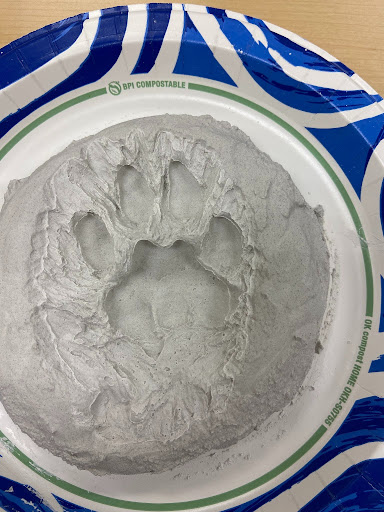
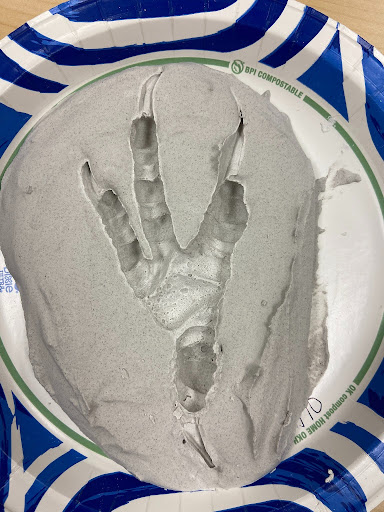
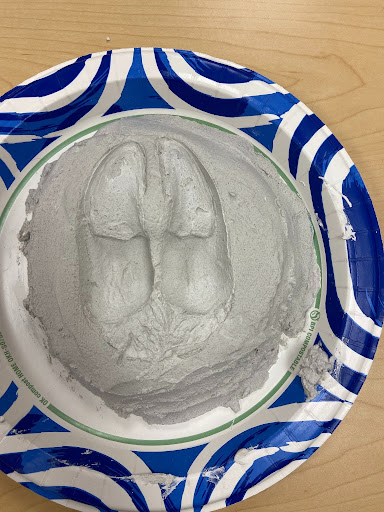
The second session focused on animal tracking, where youth examined track replicas, learned how trackers interpret environmental clues, and discussed the role tracking plays in conservation and habitat protection. Creating their own cast of an animal track provided a meaningful, hands‑on connection to local wildlife and reinforced careful observation and problem‑solving skills. Youth also shared their posters with peers, strengthening communication skills and confidence in presenting what they learned.
The third session expanded learning into aquatic ecosystems and recreational conservation activities. Youth learned about fish hotels and their role in providing habitat and shelter for fish, then applied their creativity by designing and building fish hotel replicas using LEGO bricks. Each participant shared their model with the group, practicing communication skills while explaining their design choices. Youth then tried their hand at Pop Can Casting, practicing casting skills into a “fish pond”. Members will continue this learning by making their own Pop Can “fishing pole,” further reinforcing hands‑on skill development.
Although the club currently includes eight members, early outcomes show strong engagement, increased environmental awareness, and growing interest in local ecosystems. As the Wildlife 4‑H Club continues, youth are developing practical skills, ecological understanding, and leadership abilities that contribute to Fond du Lac County’s broader goal of building informed, conservation‑minded citizens.
Pictured below are castings of tracks from cougar, eagle, and elk.
The University of Wisconsin–Madison Division of Extension provides equal opportunities in employment and programming in compliance with state and federal law.